
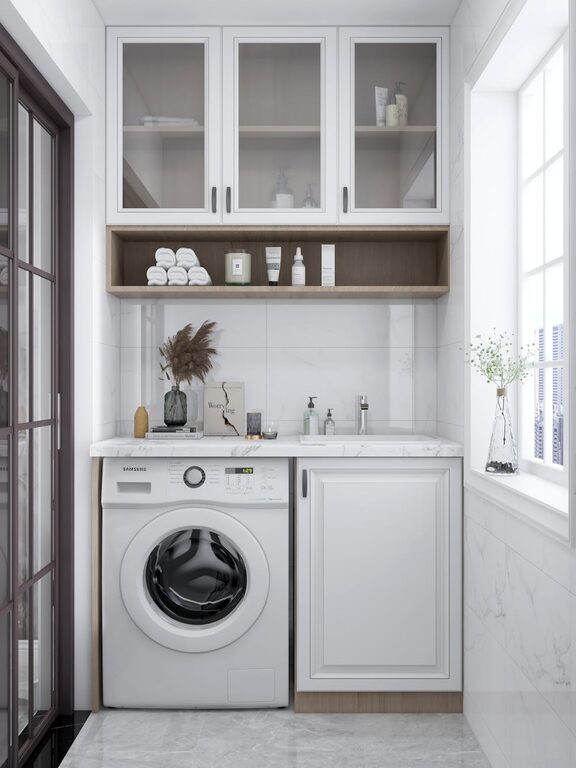
Creating a peaceful and relaxing atmosphere in your home starts with choosing the right colors. Calm colors have the power to soothe the mind, reduce stress, and create a welcoming environment where you can unwind. Whether you’re planning to repaint a single room or redecorate your entire home, understanding how to select and use calm colors effectively makes all the difference.
In this post, we’ll explore practical tips to help you choose calm colors that fit your style and space.
Why Choose Calm Colors?
Calm colors are typically soft, muted, or neutral shades that promote a sense of tranquility. Unlike bright or intense colors, they don’t overwhelm the senses. Common calm hues include:
– Soft blues
– Gentle greens
– Warm beiges
– Light grays
– Pale lavenders
Using these colors can create rooms that feel spacious, airy, and restful. Many people find calm color schemes especially well-suited for bedrooms, living rooms, and bathrooms—spaces dedicated to relaxation and comfort.
Tips for Choosing Calm Colors for Your Home
1. Consider the Purpose of Each Room
Different rooms serve different functions, and your color selection should reflect that.
– Bedrooms: Opt for soft blues, muted greens, or delicate lavenders to encourage restfulness.
– Living Rooms: Warm neutrals like beige, ivory, or taupe create an inviting and calm gathering space.
– Bathrooms: Pale blues and seafoam greens evoke a spa-like atmosphere.
– Home Offices: Soft grays or gentle greens can enhance focus without feeling sterile.
Knowing how you intend to use each space helps narrow down your color choices.
2. Test Colors in Natural Light
Colors can look very different depending on lighting. Always test paint samples on your walls to see how they change throughout the day.
– Place a sample patch on different walls.
– Observe the color at morning, midday, and evening.
– Notice how natural sunlight or artificial lights affect the hue.
This step prevents surprises and ensures your calm colors maintain their soothing effect.
3. Stick with Soft, Muted Hues
Avoid colors that are too bright or saturated if you want a calming effect. Instead, choose pastels, dusty tones, or shades with gray undertones.
For instance:
– Instead of bright turquoise, try a soft teal.
– Instead of bright yellow, consider a pale buttery shade.
– Instead of bold red, choose a muted terracotta or blush.
Soft colors are gentle on the eyes and create a harmonious atmosphere.
4. Use Neutral Base Colors with Color Accents
A popular approach is to paint walls in neutral tones and add calm color accents through decor:
– Cushions and throws
– Curtains
– Rugs
– Artwork and accessories
Neutrals like white, light gray, or beige serve as a peaceful backdrop, allowing accent colors like sage green or sky blue to stand out without overwhelming.
5. Understand Color Psychology
While there is no one-size-fits-all approach, color psychology can guide your selections:
– Blue: Often associated with calmness and serenity.
– Green: Connected to nature, it promotes balance and relaxation.
– Lavender: A soft purple that can ease anxiety.
– Beige and Warm Neutrals: Create warmth and grounding feelings.
Choose colors that resonate with your personal preferences and make you feel at ease.
6. Coordinate with Your Existing Furnishings
If you are not planning a full renovation, consider how your current furniture and décor will work with potential calm colors.
– Pick colors that complement your upholstery and wood finishes.
– Use color swatches to visualize how walls and furniture blend.
– Avoid clashing tones that can distract from a serene environment.
This coordination helps maintain visual harmony.
7. Don’t Forget Texture and Materials
Colors come alive with texture. Soft, plush fabrics, natural wood, woven baskets, and other tactile elements can enhance your calm palette.
Combining textures with your color scheme adds depth and warmth, making spaces feel cozy and inviting.
8. Create a Color Palette
Once you choose your main calm color, develop a palette that includes:
– A dominant color (wall paint)
– One or two accent colors (decor, cushions)
– A neutral base color (flooring, furniture)
Using an online color palette generator or mood board can help visualize how these colors work together.
9. Keep It Consistent Across Spaces
For a cohesive look, especially in open-plan homes, maintain a consistent color palette or complementary shades in adjoining spaces. This flow reinforces a calm and balanced feel throughout your home.
Final Thoughts
Choosing calm colors for your home is a simple yet powerful way to create an environment that nurtures relaxation and wellness. By considering room function, lighting, muted hues, color psychology, and coordination with furnishings, you can develop a serene color scheme tailored to your taste and lifestyle.
Remember, the goal is to make your home a refuge where you feel comfortable and peaceful every day. Start experimenting with soft blues, gentle greens, warm neutrals, or pale lavenders, and enjoy the calming transformation these colors bring.
Do you have a favorite calm color or a decorating tip to share? Leave a comment below—we’d love to hear your ideas!