
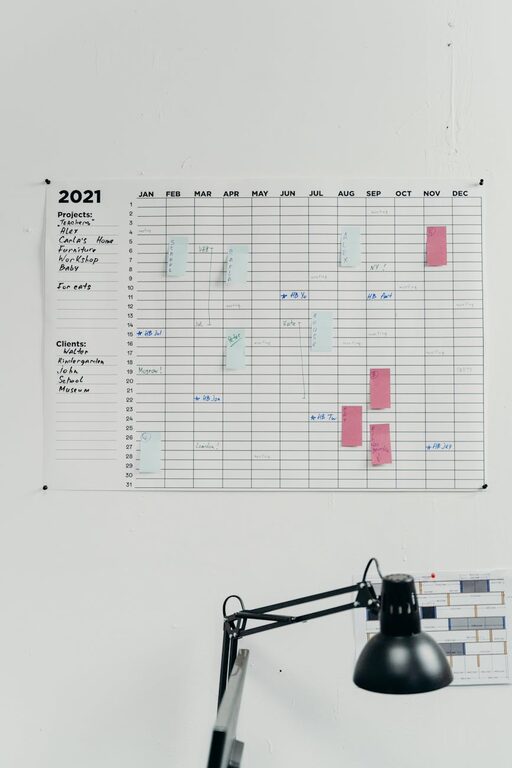
Creating a family command center is an excellent way to bring order to your household’s daily routines. Whether you have kids, teenagers, or adults all juggling different schedules, a centralized spot for planning and communication can save time and reduce stress. In this post, we’ll explore how to set up a family command center step-by-step — no matter your space or style.
What Is a Family Command Center?
A family command center is a designated area in your home where all important family information lives. It typically includes calendars, chore charts, meal planners, mail organizers, and notes for reminders. Think of it as your household’s headquarters, designed to keep everyone on the same page.
Benefits of a Family Command Center
– Improves communication: Everyone knows what’s happening each day.
– Reduces clutter: Keeps papers and reminders organized in one spot.
– Saves time: Helps plan meals, appointments, and activities efficiently.
– Encourages responsibility: Kids can see chores and schedules visually.
– Creates routines: Makes daily tasks easier and more predictable.
Choosing the Perfect Location
Selecting a visible and central place in your home is key. Here are some ideas:
– Kitchen: A popular choice since this area is often a family hub.
– Mudroom or entryway: Great for last-minute reminders before heading out.
– Home office or study area: Ideal if you spend a lot of time there.
– Hallway wall: Utilizes normally unused space effectively.
Make sure the area has enough space to hang or place your command center components and is easily accessible to all family members.
Essential Components of a Family Command Center
Your command center should be customized based on your family’s needs, but here are some common building blocks:
1. Calendar
A large monthly or weekly calendar is essential for tracking appointments, sports practices, school events, and more. Choose a dry-erase or chalkboard calendar for easy updates.
2. To-Do List or Chore Chart
Assign responsibilities and daily tasks here. You might use a whiteboard with magnets, sticky notes, or a printed list. Get kids involved in updating it to build accountability.
3. Meal Planner
Planning meals in advance can reduce last-minute stress. Include a weekly menu planner and a grocery list section that everyone can add to throughout the week.
4. Mail and Paper Organizer
A set of wall-mounted bins or trays is great for sorting incoming mail, school forms, and bills. Label each section clearly to avoid paper piles.
5. Message Center
A corkboard or magnetic board for family notes, important reminders, and inspirational quotes helps keep communication flowing.
6. Key Hooks and Charging Station
Hooks by the door keep keys and masks handy, while a small charging station for phones and tablets reduces clutter.
Materials and Tools Needed
Here’s a quick list of materials to gather before you start:
– Bulletin board, whiteboard, or chalkboard
– Wall calendar or dry-erase calendar
– Small bins, trays, or file organizers
– Labels and markers
– Hooks or a small shelf
– Tape, nails, or command strips for mounting
– Printable templates (optional) for chore charts or meal planners
Step-by-Step Guide to Setting Up Your Command Center
Step 1: Clear and Prepare the Space
Start with a clean wall or corner. Remove any existing clutter so you have a blank canvas.
Step 2: Plan Your Layout
Here’s one example arrangement:
– Top left: Monthly calendar
– Top right: Meal planner
– Middle: To-do list and chore chart
– Bottom: Mail organizer and key hooks
Adjust based on what’s most important for your family.
Step 3: Mount Boards and Organizers
Use hooks, nails, or adhesive strips to securely hang your boards and bins.
Step 4: Label Everything
Use clear labels so everyone knows where to find and place items.
Step 5: Add Supplies Nearby
Place markers, pens, sticky notes, and notepads close by for easy access.
Step 6: Establish Family Guidelines
Set some simple rules together:
– Update calendars weekly.
– Check the message board daily.
– Put mail in the organizer immediately.
– Use the chore chart for accountability.
Customizing Your Family Command Center
Make it your own with these creative touches:
– Choose matching frames or colors to create a cohesive look.
– Add family photos or inspirational quotes.
– Include a small chalkboard for daily greetings or jokes.
– Rotate seasonal decorations for a fun festive touch.
Tips for Maintaining Your Command Center
– Spend 5 minutes each Sunday reviewing schedules and updating plans.
– Encourage everyone to communicate changes quickly.
– Keep supplies stocked and organized.
– Regularly declutter the mail and paper organizer.
Final Thoughts
A family command center is a simple but powerful tool that helps everyone stay organized, informed, and connected. Whether you have a big wall or a small corner, the key is to keep it practical, visible, and easy to maintain. Give it a try and watch household chaos turn into harmony!
—
Thank you for reading! If you found these ideas useful, please share your own command center tips or photos in the comments below. Happy organizing!